
4 Famous Artists Who Never Signed to a Major
April 15, 2026
(And How They Built Their Own)
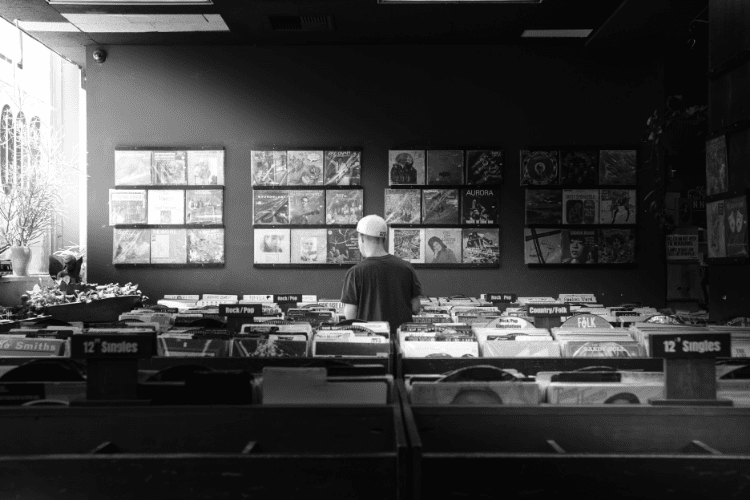
The old music industry dream went something like this: make great music, get "discovered" by an A&R, and sign a massive major label record deal that magically solves all your problems.
Today? The smartest players in the game realize that a traditional major label deal is often just a massive loan with a terrible interest rate, one that costs you the rights to your own masters.
But here’s the reality check about being an "indie" artist: Independence is incredibly powerful, but it’s not what most people think it is. Being independent doesn't mean doing absolutely everything alone in your bedroom until you burn out. The most successful independent artists didn't just avoid the music industry system; they learned exactly how it works so they could exploit it, control it and build their own empires.
Read more here: The Ins & Outs of Signing a Record Deal
The Myth of the "Solo" Independent Artist
Before we look at the legends who did it right, we need to redefine what a modern independent record label actually looks like.
Historically, major labels held the keys to the kingdom because they provided three critical things: Funding, Distribution and Network.
Today, thanks to the internet and alternative music distribution partners, you can acquire all three of those assets without selling off your copyrights. The secret formula is understanding that Independent ≠ Alone. You still need a massive team, including publicists, booking agents, radio pluggers, and distributors, but the key difference is structure. You hire them as partners or vendors, not as your bosses. You are the CEO.
Let's look at four artists who flipped the traditional independent vs. major label dynamic on its head.
4 Famous Artists Who Built Their Own Empires
1. Nipsey Hussle: The Direct-to-Consumer Pioneer
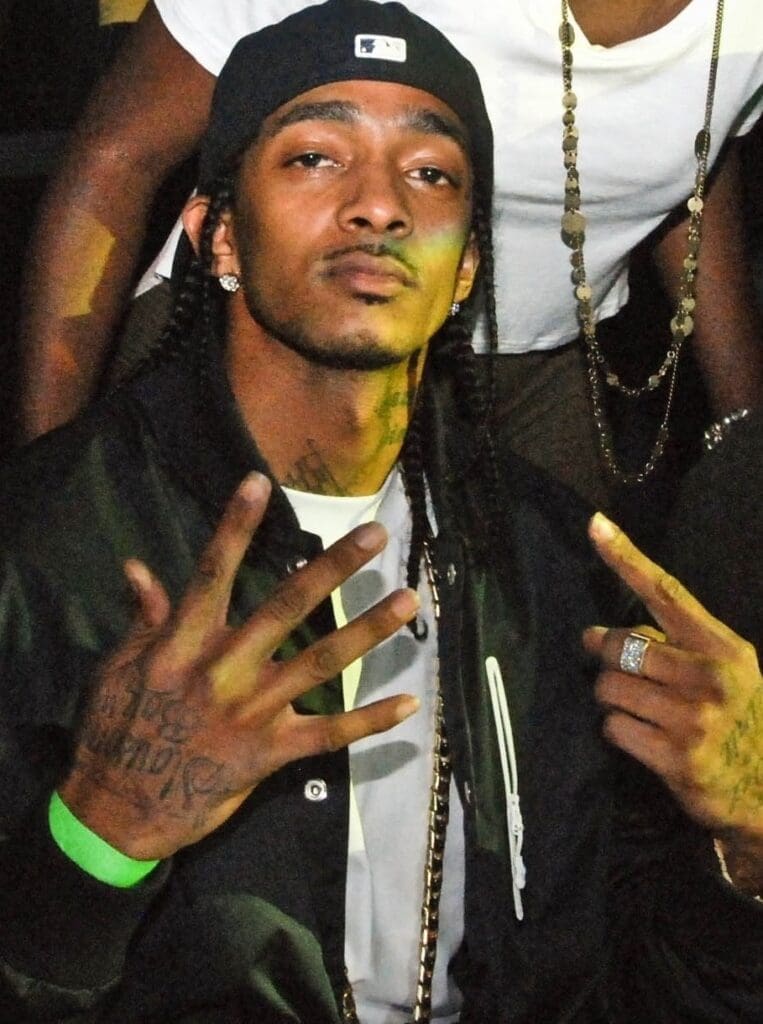
Nipsey Hussle didn’t just make music; he built an ecosystem. Through his label, "All Money In", Nipsey fundamentally changed the direct-to-fan music marketing playbook.
The Strategy: Instead of chasing millions of fractions of a penny on streaming platforms, Nipsey focused on his core audience through his revolutionary "Proud to Pay" campaign. He pressed exactly 1,000 physical copies of his "Crenshaw" mixtape and sold them for $100 each. (Jay-Z famously bought 100 copies on the spot).
The Business Lesson: Nipsey proved that artificial scarcity and a hyper-engaged community are vastly more profitable than millions of passive, algorithmic streams. He built a real business model, anchored by The Marathon Clothing store as a cultural and physical hub, proving you can monetize culture directly without a middleman taking an 80% cut.
See more: Rapper Nipsey Hussle And The $100 Mixtape
2. Chance the Rapper: Leveraging Tech and Exclusivity
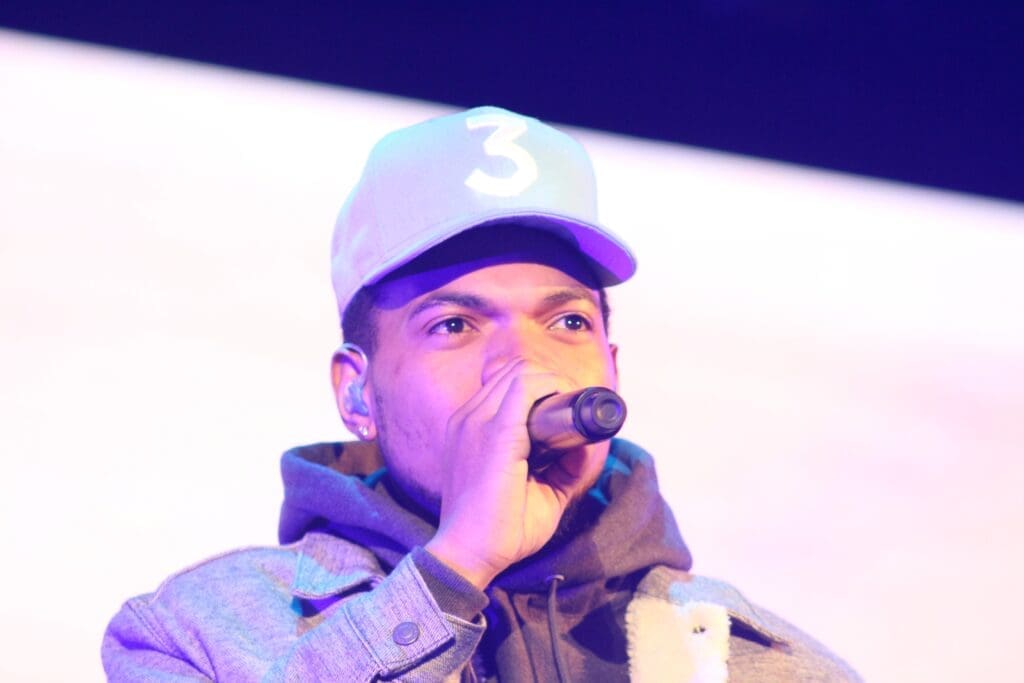
For years, Chance the Rapper was the poster child for the modern independent artist. His strategy wasn't to fight the system, but to use the tech platforms as his personal label structure.
The Strategy: Chance notoriously turned down multiple multi-million-dollar offers from major labels, opting to keep his music highly accessible. However, for his project "Coloring Book", he executed a masterclass in music distribution strategy. He negotiated a reported $500,000 exclusivity deal with Apple Music for the initial release window.
The Business Lesson: Chance realized he didn’t need a traditional label's money because the tech giants needed his cultural relevance. By leveraging Apple's capital and marketing muscle, he funded his independence, keeping 100% of his touring revenue, merchandise and, most importantly, his masters.
3. Russ: The Power of Catalog and Master Ownership (DIEMON)
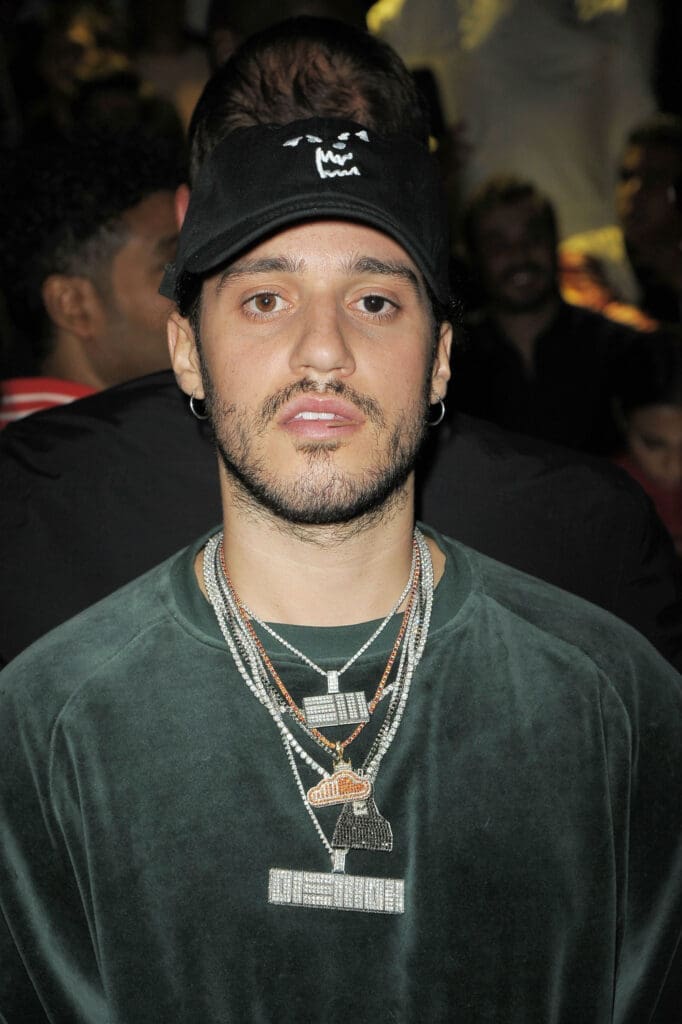
If there is a patron saint of DIY music marketing and relentless consistency, it’s Russ. Operating under his collective and label, "DIEMON", Russ proved that the math of the music business heavily favors the independent creator, if they have the stamina.
The Strategy: Volume and 100% equity. Before he ever saw mainstream success, Russ dropped a song a week on SoundCloud and TuneCore for over two years, building a massive back catalog.
The Business Lesson: Russ constantly preaches the real math of the industry: Owning 100% of the masters on a song that generates $100,000 in revenue makes you richer than getting a 15% royalty rate from a major label on a song that generates $1,000,000. Your catalog is an asset; stop giving it away for temporary clout.
Find out more with this video: How Serious Artists Publish Music Under LLCs (and Own Everything)
4. Macklemore: Renting the Major Label Machine (Macklemore LLC)
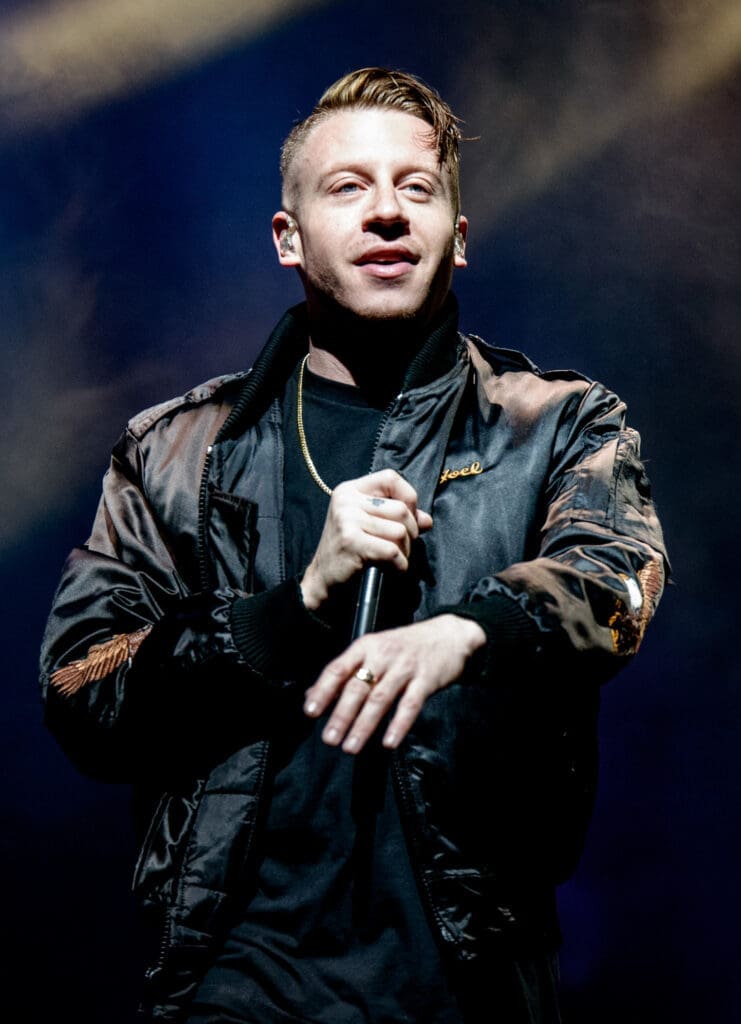
What do you do when you are completely independent, but your song is suddenly too big for you to handle alone? You rent the machine.
The Strategy: Macklemore and Ryan Lewis built a massive regional following in the Pacific Northwest entirely on their own. But when "The Heist" was ready, they knew they needed global radio reach, something strictly gatekept by the majors. Instead of signing a traditional record deal, Macklemore LLC paid ADA (the independent distribution arm of Warner Music Group) a flat percentage to utilize their radio promotion logistics.
The Business Lesson: This is the ultimate "major-indie hybrid" model. Macklemore proved that you don't have to sell your soul for radio play. They essentially hired Warner to work for them, retaining total ownership of their art and taking home the lion’s share of the historic profits generated by hits like "Thrift Shop".
The Blueprint: How to Build Your Own Independent Record Label
You don't need to be Nipsey or Macklemore to start building. Whether you are a solo artist or an aspiring music industry entrepreneur, here are the three pillars to building your own independent label business plan today.
1. Own Your Masters (The Foundation of Wealth)
Think of your master recordings like digital real estate. Every time a song is streamed, synced in a TV show, or played on the radio, it pays rent (royalties). If you don't own the master, you don't collect the rent.
- Actionable Advice: Treat your art like a business from day one. Always use standard split sheets in the studio, register an LLC for your music, and trademark your label name early.
2. Build the Audience First, Infrastructure Second
No major distributor, brand partner or investor will work with you if you have zero leverage. Leverage in the music business comes from one thing: attention.
- Actionable Advice: Stop worrying about renting office space, hiring staff, or securing complex distribution deals. Act like Russ. Focus 100% of your energy on creating a Minimum Viable Audience (MVA). Once the fans are there, the business infrastructure will follow.
3. Use Distribution Partners Strategically
Understand the difference between a traditional record deal and a Label Services deal. Modern platforms like Empire, AWAL, Venice Music or ADA allow you to tap into major-label-level resources (playlist pitching, marketing advances, physical distribution) while keeping your copyrights.
- Actionable Advice: Treat your distributors like tech and logistics companies. You are the CEO. You are hiring them to deliver your product to the consumer. If they aren't adding value beyond simply putting your song on Spotify, find a new partner.
The Smartest Artists Control the System
Avoiding the music industry entirely is a fast track to obscurity. But understanding how the industry actually works? That is the fast track to wealth, leverage and creative freedom. The most successful independent labels aren't anti-establishment; they just know how to build their own tables instead of begging for a seat at someone else's.
Are you ready to stop waiting to be "discovered" and start building your own empire?
+add CTA buttons